Guides › Chinese radicals
The most common Chinese radicals
Maca Laoshi, Mandarin Chinese teacher
Updated October 20, 2026 · 8 min read
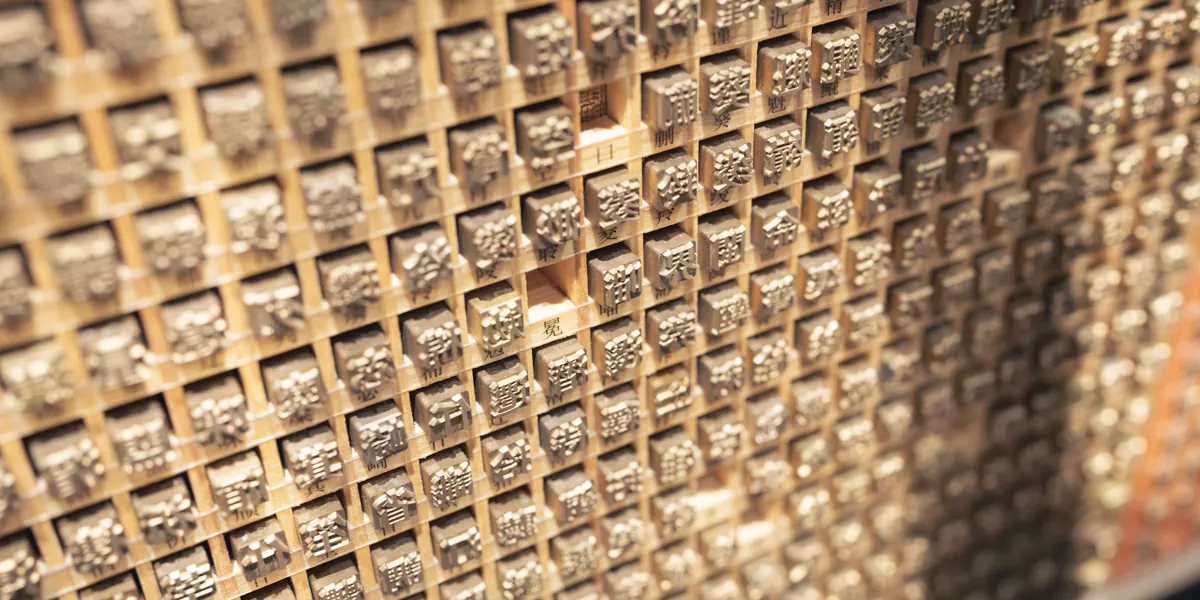
A radical (部首 bùshǒu) is the part of a character that dictionaries use to file it, and it often hints at the meaning: 氵 is water, 扌 is hand and 亻 is person. The Kangxi Dictionary, from 1716, set 214 radicals; China's official table uses 201. You don't need to learn them all: to start, about 25 are enough, like 口 (mouth), 木 (tree) or 艹 (grass). Use them as a clue, not a rule, because sometimes they let you down.
What a radical is, and what a component is
Almost all characters are built from smaller pieces that repeat. Each piece is a component (部件 bùjiàn). The radical is a special component: the one dictionaries use to sort characters. Each character is filed under a single radical, even if it has several components.
For example, 妈 (mā, mom) has two components: 女 (woman) and 马 (mǎ, horse). Its radical is 女, which hints at the meaning; 马 hints at the sound.
How many radicals are there?
| System | Year | Radicals |
|---|---|---|
| Kangxi Dictionary | 1716 | 214 |
| China's table of radicals (汉字部首表, GF 0011-2009) | 2009, revised in 2022 | 201 main ones, plus their alternative forms |
The 214 Kangxi radicals are the classic reference. The 2009 table is the standard in mainland China, and dictionaries like the Xinhua Zidian (新华字典) follow it. For studying, the difference hardly matters: every radical in this guide is in both systems.
One clue for meaning, another for sound
Most characters are “phono-semantic compounds” (形声字 xíngshēngzì): one part, usually the radical, points to the meaning, and another points to the pronunciation. The linguist Zhou Youguang counted that 6,542 of the 8,075 characters in the 1971 Xinhua dictionary, 81%, have this structure.
So 清 (qīng, clear, clean) combines 氵 (water) with 青 (qīng), which gives the sound. And 请 (qǐng, please) combines 讠 (speech) with the same 青.
The 25 most useful radicals to start with
These are the 25 that form the most characters among the 3,500 commonly used characters on China's official 2013 list, according to a count published in 2022. We merged the forms of the same radical (like 心 and 忄) and left out 一, which is a single stroke. They go from most to least frequent; in brackets, the other form of the same radical.
| Radical | Meaning | Examples |
|---|---|---|
| 口 | mouth | 吃 chī, to eat; 喝 hē, to drink |
| 扌 (手) | hand | 打 dǎ, to hit; 找 zhǎo, to look for |
| 氵 (水) | water | 河 hé, river; 洗 xǐ, to wash |
| 木 | tree, wood | 树 shù, tree; 桌 zhuō, table |
| 亻 (人) | person | 你 nǐ, you; 休 xiū, to rest |
| 艹 | grass, plants | 花 huā, flower; 茶 chá, tea |
| 忄 (心) | heart, feelings | 忙 máng, busy; 想 xiǎng, to think |
| 月 | moon; on the side, often meat or the body | 期 qī, period of time; 脸 liǎn, face |
| 土 | earth | 地 dì, ground; 坐 zuò, to sit |
| 讠 (言) | speech, words | 说 shuō, to speak; 读 dú, to read |
| 纟 (糸) | silk, thread | 线 xiàn, thread; 红 hóng, red |
| 日 | sun, day | 早 zǎo, early; 晚 wǎn, evening |
| 辶 | walk, movement | 进 jìn, to enter; 远 yuǎn, far |
| 火 (灬) | fire | 灯 dēng, lamp; 热 rè, hot |
| 女 | woman | 姐 jiě, older sister; 她 tā, she |
| 钅 (金) | metal, gold | 钱 qián, money; 银 yín, silver |
| 虫 | insects and other small creatures | 蚊 wén, mosquito; 蛇 shé, snake |
| 贝 | shell (once used as money) | 贵 guì, expensive; 财 cái, wealth |
| 阝 | on the left, mound; on the right, city | 院 yuàn, courtyard; 都 dū, capital |
| 宀 | roof | 家 jiā, home; 室 shì, room |
| 石 | stone | 碗 wǎn, bowl; 破 pò, broken |
| 禾 | grain | 秋 qiū, autumn; 种 zhòng, to plant |
| ⺮ (竹) | bamboo | 笔 bǐ, pen, brush; 筷 kuài, chopstick |
| 目 | eye | 看 kàn, to look; 睡 shuì, to sleep |
| 王 (玉) | jade | 玩 wán, to play; 球 qiú, ball |
Others you'll meet soon, even though they form fewer characters: 足 (foot: 跑 pǎo, to run), 疒 (sickness: 疼 téng, to hurt), 门 (gate, door: 闭 bì, to close), 车 (vehicle: 轮 lún, wheel) and 饣 (food: 饿 è, hungry).
 Test your Chinese
Improve your Chinese with our app, Macalaoshi Flashcards: 1,300+ words and characters to practice like this.
See the appWhen the clue fails
- 月 can be moon or meat. In simplified Chinese, the meat radical (肉) is written just like 月 when it's on the side. 期 (qī, period of time) has the moon; 脸 (liǎn, face) and 胖 (pàng, fat) have the meat radical, which is why they're about the body.
- Meanings changed over the centuries. 错 (cuò, mistake) has 钅, metal: it originally meant “grindstone”. 骗 (piàn, to cheat) has 马, horse: it first meant to mount a horse by swinging a leg over it.
- The dictionary radical doesn't always give the meaning. In dictionaries like MDBG, 问 (wèn, to ask) is filed under 门 (gate), but there 门 (mén) gives the sound: the meaning comes from 口, the mouth.
- The sound clue is only approximate. Take 青 (qīng): 清 qīng sounds the same; 请 qǐng and 晴 qíng change the tone; 睛 jīng changes the consonant, and 猜 cāi (to guess) sounds nothing like it. Zhou Youguang calculated that, of the 1,348 sound parts in the Xinhua dictionary, only 386 (29%) reliably indicate the pronunciation, and only 234 (17%) the tone as well.
How to use them to study
- Group characters by family. When you learn 妈, review 姐 and 她 next to it. In a 2014 study (Xu, Chang and Perfetti), beginners who learned characters sharing a radical together remembered them better than those who studied them separately; at the intermediate level there was no difference.
- Look characters up by radical. If you don't know how to read a character, find it in the dictionary's radical index and count the remaining strokes. In Pleco, you pick the radical from the 214 Kangxi radicals; you can also draw the character with your finger.
- Don't memorize the list of 214. Learn each radical when it shows up in a word you're studying: that way you remember it with a real example.
Radicals are one of the techniques in how to memorize Chinese characters. To write them correctly, see the stroke order rules, and if you want to know how many characters you need to read, it's in how many Chinese characters you need to know.
Improve your Chinese with Macalaoshi Flashcards
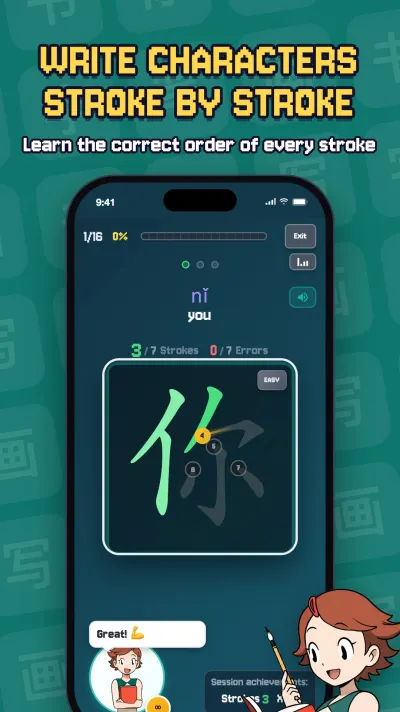
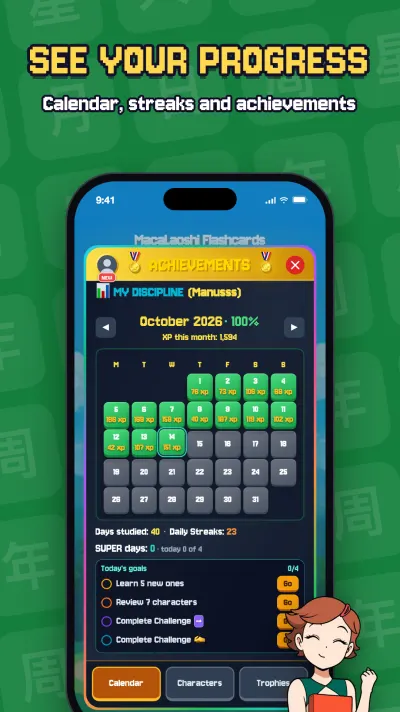
Maca Laoshi's app for learning characters, with audio, pinyin and stroke-by-stroke writing.
- 1,300+words and characters
- HSK 1–4by level
- Freeto start




Learn with our songs
We made them for Macalaoshi. Singing along is a fun way to practice pronunciation and review vocabulary.

The Lighthouse of My Heart 我心里灯塔

Study With You 跟你一起学
Frequently asked questions
How many Chinese radicals are there?
It depends on the system. The Kangxi Dictionary, from 1716, set 214, which are still the classic reference. China's official table (汉字部首表, from 2009 and revised in 2022) uses 201 main radicals.
Do I need to learn all 214 radicals?
No. To start, the 20 or 30 most frequent ones are enough. You'll pick up the rest as they appear in the words you study.
What's the difference between a radical and a component?
A component (部件 bùjiàn) is any piece that's part of a character. The radical (部首 bùshǒu) is the component the dictionary files that character under: each character has only one, even if it has several components.
Does the radical always tell you the meaning?
No. It often gives a clue, but the meaning of some characters has changed over the centuries, and sometimes the dictionary radical is the part that gives the sound, like 门 in 问 (wèn, to ask).
How do I look up a character by its radical?
In a paper dictionary, you find the radical in the radical index and count the remaining strokes. In apps like Pleco, you pick the radical from a list, or you draw the character with your finger.
Maca Laoshi, born in Beijing, has taught Mandarin Chinese for more than 22 years and has had over 1,500 students. Together with her son Manu Shi, who has more than 93,000 subscribers on YouTube, she created Macalaoshi, an app that challenges you to push yourself one character at a time. Few Chinese teachers can show both: their own app and a channel like that.
Sources
- Kangxi Dictionary (1716): 214 radicals.
- Kangxi radicals: the English meaning of each radical.
- China's table of radicals (GF 0011-2009): 201 main radicals.
- Chinese government (2022, in Chinese): the revised table keeps the 201 radicals.
- CSSN (2022, in Chinese): the Xinhua Zidian and the Xiandai Hanyu Cidian follow the 201 radicals.
- Chinese character radicals: each character is filed under a single radical, usually the meaning part.
- Zhou Youguang (2003): characters with a radical and a sound part, and how reliable that sound part is.
- A 2022 count (in Chinese) of the most frequent components among China's 3,500 commonly used characters.
- Radical 130: the meat radical is written 月 in simplified Chinese.
- Wiktionary: origin of 骗 (and, in their entries, of 错 and 问).
- Xu, Chang and Perfetti (2014), Modern Language Journal: grouping characters by radical helps beginners.
This guide in other languages: Español · Português · Français · Deutsch · Italiano · 日本語 · 한국어