Guides › New HSK 1 vocabulary
New HSK 1 vocabulary list: all 300 words with pinyin and meanings
Maca Laoshi, Mandarin Chinese teacher
Updated October 20, 2026 · 8 min read
The new HSK 1 requires 300 words and recognizing 246 characters, with no handwriting. This is the syllabus China's Center for Language Education and Cooperation published in November 2025, and the new exam will be held worldwide starting December 13, 2026. Below you'll find the complete list, in the official order, with pinyin and meanings.
What changed in the new HSK 1
| Previous HSK | New HSK (2025) | |
|---|---|---|
| Level 1 words | 150 | 300 |
| Characters you need to recognize | no official list | 246 |
| Handwriting | no | no (starts at level 2) |
If you studied with the previous 150-word list, don't throw it away: 146 of those 150 words are still in the new level 1. Only four don't appear as such in the new list: 北京, 前面, 后面 and 小姐. So you already know almost half of the 300. These are the 154 words that weren't on the previous list (you'll find their pinyin and meaning in the complete list below):
吧、白天、百、半、包子、边、病、不要、唱、超市、车、穿、大家、大学、大学生、到、第、弟弟、店、电话、电影院、读书、对、饭、房间、非常、分、歌、哥哥、给、公司、贵、国、还、孩子、汉字、好吃、好看、好听、好玩儿、后、火车、鸡蛋、家人、见、件、饺子、姐姐、今年、觉得、开车、看病、可以、课、口、两、零、卖、忙、没事、妹妹、们、面包、面条儿、明年、哪个、哪里、哪些、那边、那个、那里、那儿、那些、男、男朋友、你好、你们、您、牛奶、女、女朋友、女士、便宜、起床、千、前、请问、去年、日、上班、上课、上学、生病、时间、事、手机、书店、睡、说话、它、他们、它们、她们、天、听见、外、外边、玩、晚、晚饭、晚上、问、问题、午饭、下班、下课、小朋友、小时、小学、小学生、新、星期日、星期天、休息、学、雪、要、也、一半、一下、一些、有的、有点儿、有些、雨、元、再、早、早饭、早上、找、这边、这个、这里、这儿、这些、真、正在、只、知道、中文、中学、中学生、做饭
How to study these 300 words
- 10 words a day. You'll finish the list in a month. Going faster usually ends in forgetting.
- Group them by topic instead of following the order of the list, which is alphabetical by pinyin. Below you'll find 10 groups to get you started.
- Learn them in phrases. 喝 (to drink) sticks better in 喝茶 (to drink tea) or 喝水 (to drink water).
- Listen to every word. Recognizing a word on the page isn't enough to understand it when someone says it to you.
- Review just before you'd forget. We explain how in how to memorize Chinese characters.
The list uses the pinyin from the official syllabus, which marks the tone changes of 一 and 不 in words like 一下 (yíxià) or 不客气 (bú kèqi). If you want to understand why they change, see the 4 Mandarin tones.
HSK 1 words by topic
Ten groups with a few words from the list, so you can start with the ones you'll use most. Not all 300 are here: fill in each group with the words you find in the complete list.
| Topic | Some words |
|---|---|
| Greetings and courtesy | 你好 hello · 谢谢 thank you · 不客气 you're welcome · 对不起 sorry · 没关系 no problem · 再见 goodbye · 请问 excuse me |
| Numbers and money | 零 zero · 两 two (before a measure word) · 百 hundred · 千 thousand · 块 yuan · 钱 money · 多少 how much · 贵 expensive · 便宜 cheap |
| Days and time | 今天 today · 明天 tomorrow · 昨天 yesterday · 星期 week · 小时 hour · 分钟 minute (duration) · 现在 now · 去年 last year |
| Family and people | 爸爸 dad · 妈妈 mom · 哥哥 older brother · 妹妹 younger sister · 儿子 son · 朋友 friend · 老师 teacher · 同学 classmate |
| Food and drink | 米饭 rice · 面条儿 noodles · 包子 baozi (steamed stuffed bun) · 饺子 dumpling · 鸡蛋 egg · 牛奶 milk · 茶 tea · 水果 fruit |
| Places | 学校 school · 医院 hospital · 超市 supermarket · 商店 shop · 书店 bookstore · 饭店 restaurant · 电影院 cinema · 公司 company |
| Getting around | 车 car · 出租车 taxi · 火车 train · 飞机 airplane · 开车 to drive |
| Daily routine | 起床 to get up · 吃 to eat · 喝 to drink · 上班 to go to work · 上课 to go to class · 做饭 to cook · 休息 to rest · 睡觉 to sleep |
| Questions | 什么 what · 谁 who · 哪儿 where · 几 how many · 怎么 how · 怎么样 how is it · 吗 question particle |
| Weather | 天气 weather · 冷 cold · 热 hot · 下雨 to rain · 雪 snow |
 Test your Chinese
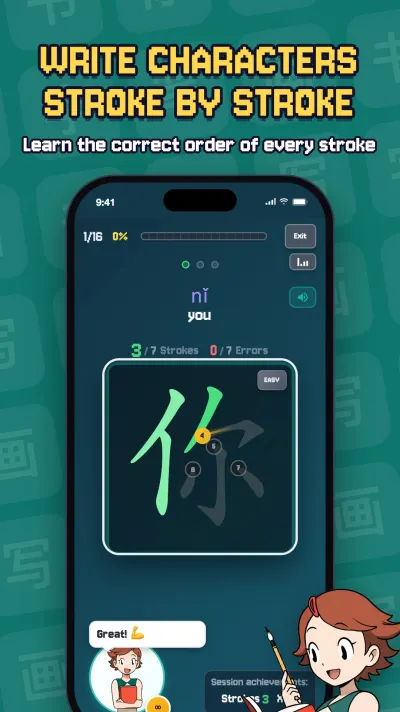
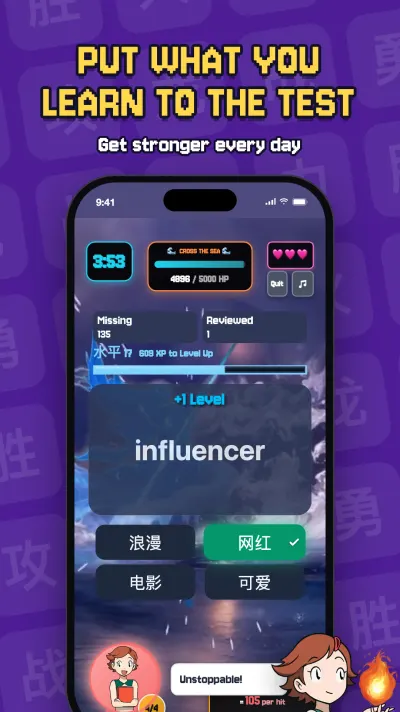
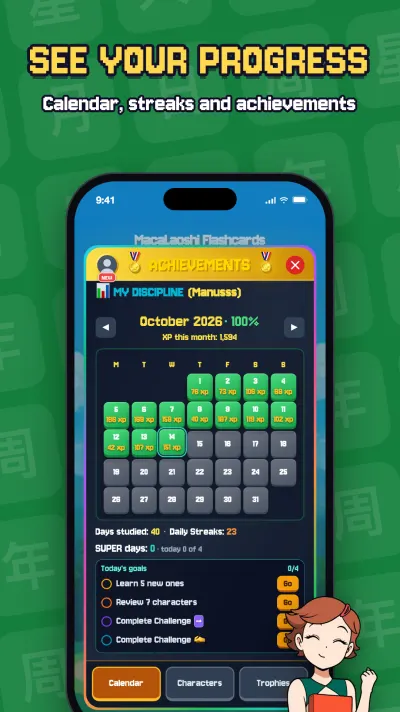
Improve your Chinese with our app, Macalaoshi Flashcards: 1,300+ words and characters to practice like this.
See the appThe complete new HSK 1 list
All 300 words in the order of the official syllabus. You can print this page: when you do, the menus are hidden and only the list is left.
| # | Word | Pinyin | Meaning |
|---|---|---|---|
| 1 | 爱 | ài | to love / love |
| 2 | 八 | bā | eight |
| 3 | 爸爸 | bàba | dad |
| 4 | 吧 | ba | particle (suggestion) |
| 5 | 白天 | báitiān | daytime |
| 6 | 百 | bǎi | hundred |
| 7 | 半 | bàn | half |
| 8 | 包子 | bāozi | baozi (steamed stuffed bun) |
| 9 | 杯子 | bēizi | cup |
| 10 | 本 | běn | measure word (books) |
| 11 | 边 | biān | side / edge |
| 12 | 病 | bìng | illness / sick |
| 13 | 不 | bù | no / not |
| 14 | 不客气 | bú kèqi | you're welcome |
| 15 | 不要 | búyào | don't / don't want |
| 16 | 菜 | cài | vegetable / dish |
| 17 | 茶 | chá | tea |
| 18 | 唱 | chàng | to sing |
| 19 | 超市 | chāoshì | supermarket |
| 20 | 车 | chē | car |
| 21 | 吃 | chī | to eat |
| 22 | 出租车 | chūzūchē | taxi |
| 23 | 穿 | chuān | to wear (clothes) |
| 24 | 打电话 | dǎ diànhuà | to make a call |
| 25 | 大 | dà | big |
| 26 | 大家 | dàjiā | everyone |
| 27 | 大学 | dàxué | university |
| 28 | 大学生 | dàxuéshēng | university student |
| 29 | 到 | dào | to / until / arrive |
| 30 | 的 | de | possessive particle |
| 31 | 第 | dì | ordinal prefix |
| 32 | 弟弟 | dìdi | younger brother |
| 33 | 点 | diǎn | o'clock / dot |
| 34 | 店 | diàn | shop / store |
| 35 | 电话 | diànhuà | telephone |
| 36 | 电脑 | diànnǎo | computer |
| 37 | 电视 | diànshì | TV |
| 38 | 电影 | diànyǐng | movie |
| 39 | 电影院 | diànyǐngyuàn | cinema |
| 40 | 东西 | dōngxi | things |
| 41 | 都 | dōu | all |
| 42 | 读 | dú | to read |
| 43 | 读书 | dúshū | read books / study |
| 44 | 对 | duì | correct / towards |
| 45 | 对不起 | duìbuqǐ | sorry |
| 46 | 多 | duō | many |
| 47 | 多少 | duōshao | how much / many |
| 48 | 儿子 | érzi | son |
| 49 | 二 | èr | two |
| 50 | 饭 | fàn | meal / rice |
| 51 | 饭店 | fàndiàn | restaurant / hotel |
| 52 | 房间 | fángjiān | room |
| 53 | 非常 | fēicháng | extremely |
| 54 | 飞机 | fēijī | airplane |
| 55 | 分 | fēn | minute |
| 56 | 分钟 | fēnzhōng | minute (duration) |
| 57 | 高兴 | gāoxìng | happy / glad |
| 58 | 歌 | gē | song |
| 59 | 哥哥 | gēge | older brother |
| 60 | 个 | gè | measure word |
| 61 | 给 | gěi | to give |
| 62 | 公司 | gōngsī | company |
| 63 | 工作 | gōngzuò | work / to work |
| 64 | 狗 | gǒu | dog |
| 65 | 贵 | guì | expensive |
| 66 | 国 | guó | country / nation |
| 67 | 还 | hái | still |
| 68 | 孩子 | háizi | child |
| 69 | 汉语 | Hànyǔ | Chinese language |
| 70 | 汉字 | Hànzì | Chinese character |
| 71 | 好 | hǎo | good / well |
| 72 | 好吃 | hǎochī | delicious |
| 73 | 好看 | hǎokàn | good-looking |
| 74 | 好听 | hǎotīng | pleasant to hear |
| 75 | 好玩儿 | hǎowánr | fun |
| 76 | 号 | hào | number / date |
| 77 | 喝 | hē | to drink |
| 78 | 和 | hé | and |
| 79 | 很 | hěn | very |
| 80 | 后 | hòu | behind / after |
| 81 | 回 | huí | return |
| 82 | 会 | huì | can (ability) |
| 83 | 火车 | huǒchē | train |
| 84 | 鸡蛋 | jīdàn | egg |
| 85 | 几 | jǐ | how many / a few |
| 86 | 家 | jiā | home |
| 87 | 家人 | jiārén | family members |
| 88 | 见 | jiàn | to see / meet |
| 89 | 件 | jiàn | piece / item |
| 90 | 饺子 | jiǎozi | dumpling |
| 91 | 叫 | jiào | to be called / call |
| 92 | 姐姐 | jiějie | older sister |
| 93 | 今年 | jīnnián | this year |
| 94 | 今天 | jīntiān | today |
| 95 | 九 | jiǔ | nine |
| 96 | 觉得 | juéde | to feel / think |
| 97 | 开 | kāi | to open |
| 98 | 开车 | kāichē | to drive |
| 99 | 看 | kàn | to see / watch |
| 100 | 看病 | kànbìng | see a doctor |
| 101 | 看见 | kànjiàn | to see |
| 102 | 可以 | kěyǐ | can / may |
| 103 | 课 | kè | class |
| 104 | 口 | kǒu | mouth / (meas. family members) |
| 105 | 块 | kuài | yuan / piece |
| 106 | 来 | lái | to come |
| 107 | 老师 | lǎoshī | teacher |
| 108 | 了 | le | particle (completed action) |
| 109 | 冷 | lěng | cold |
| 110 | 里 | lǐ | inside |
| 111 | 两 | liǎng | two (before a measure word) |
| 112 | 零 | líng | zero |
| 113 | 六 | liù | six |
| 114 | 妈妈 | māma | mom |
| 115 | 吗 | ma | question particle |
| 116 | 买 | mǎi | to buy |
| 117 | 卖 | mài | to sell |
| 118 | 忙 | máng | busy |
| 119 | 猫 | māo | cat |
| 120 | 没关系 | méi guānxi | no problem |
| 121 | 没事 | méishì | it's fine / no problem |
| 122 | 没有 | méiyǒu | don't have / there isn't |
| 123 | 妹妹 | mèimei | younger sister |
| 124 | 们 | men | plural suffix |
| 125 | 米饭 | mǐfàn | rice |
| 126 | 面包 | miànbāo | bread |
| 127 | 面条儿 | miàntiáor | noodles |
| 128 | 明年 | míngnián | next year |
| 129 | 明天 | míngtiān | tomorrow |
| 130 | 名字 | míngzi | name |
| 131 | 哪 | nǎ | which / where |
| 132 | 哪个 | nǎge | which one |
| 133 | 哪里 | nǎlǐ | where |
| 134 | 哪儿 | nǎr | where |
| 135 | 哪些 | nǎxiē | which ones |
| 136 | 那 | nà | that |
| 137 | 那边 | nàbiān | over there / that side |
| 138 | 那个 | nàge | that one |
| 139 | 那里 | nàlǐ | there |
| 140 | 那儿 | nàr | there |
| 141 | 那些 | nàxiē | those |
| 142 | 男 | nán | male |
| 143 | 男朋友 | nánpéngyou | boyfriend |
| 144 | 呢 | ne | follow-up particle |
| 145 | 能 | néng | can (ability) |
| 146 | 你 | nǐ | you |
| 147 | 你好 | nǐ hǎo | hello |
| 148 | 你们 | nǐmen | you (plural) |
| 149 | 年 | nián | year |
| 150 | 您 | nín | you (formal) |
| 151 | 牛奶 | niúnǎi | milk |
| 152 | 女 | nǚ | female |
| 153 | 女儿 | nǚ’ér | daughter |
| 154 | 女朋友 | nǚpéngyou | girlfriend |
| 155 | 女士 | nǚshì | madam/Ms. |
| 156 | 朋友 | péngyou | friend |
| 157 | 便宜 | piányi | cheap |
| 158 | 漂亮 | piàoliang | pretty / beautiful |
| 159 | 苹果 | píngguǒ | apple |
| 160 | 七 | qī | seven |
| 161 | 起床 | qǐchuáng | to get up |
| 162 | 千 | qiān | thousand |
| 163 | 前 | qián | front / before |
| 164 | 钱 | qián | money |
| 165 | 请 | qǐng | please |
| 166 | 请问 | qǐngwèn | excuse me |
| 167 | 去 | qù | to go |
| 168 | 去年 | qùnián | last year |
| 169 | 热 | rè | hot |
| 170 | 人 | rén | person / people |
| 171 | 认识 | rènshi | to know / meet |
| 172 | 日 | rì | day / sun |
| 173 | 三 | sān | three |
| 174 | 商店 | shāngdiàn | shop |
| 175 | 上 | shàng | up / go up |
| 176 | 上班 | shàngbān | to go to work |
| 177 | 上课 | shàngkè | to go to class |
| 178 | 上午 | shàngwǔ | morning (before noon) |
| 179 | 上学 | shàngxué | go to school |
| 180 | 少 | shǎo | few |
| 181 | 谁 | shéi/shuí | who |
| 182 | 什么 | shénme | what |
| 183 | 生病 | shēngbìng | to get sick |
| 184 | 十 | shí | ten |
| 185 | 时候 | shíhou | time / moment |
| 186 | 时间 | shíjiān | time |
| 187 | 事 | shì | matter / thing |
| 188 | 是 | shì | to be |
| 189 | 手机 | shǒujī | mobile phone |
| 190 | 书 | shū | book |
| 191 | 书店 | shūdiàn | bookstore |
| 192 | 水 | shuǐ | water |
| 193 | 水果 | shuǐguǒ | fruit |
| 194 | 睡 | shuì | to sleep |
| 195 | 睡觉 | shuìjiào | to sleep |
| 196 | 说 | shuō | to speak / say |
| 197 | 说话 | shuōhuà | to speak |
| 198 | 四 | sì | four |
| 199 | 岁 | suì | years old |
| 200 | 他 | tā | he / him |
| 201 | 它 | tā | it |
| 202 | 她 | tā | she / her |
| 203 | 他们 | tāmen | they / them (male) |
| 204 | 它们 | tāmen | they (things) |
| 205 | 她们 | tāmen | they / them (female) |
| 206 | 太 | tài | too / very |
| 207 | 天 | tiān | day / sky |
| 208 | 天气 | tiānqì | weather |
| 209 | 听 | tīng | to listen |
| 210 | 听见 | tīngjiàn | to hear |
| 211 | 同学 | tóngxué | classmate |
| 212 | 外 | wài | outside |
| 213 | 外边 | wàibian | outside |
| 214 | 玩 | wán | to play |
| 215 | 晚 | wǎn | late |
| 216 | 晚饭 | wǎnfàn | dinner / evening meal |
| 217 | 晚上 | wǎnshang | evening / night |
| 218 | 喂 | wèi | hello (call) |
| 219 | 问 | wèn | to ask |
| 220 | 问题 | wèntí | question / problem |
| 221 | 我 | wǒ | I / me |
| 222 | 我们 | wǒmen | we / us |
| 223 | 五 | wǔ | five |
| 224 | 午饭 | wǔfàn | lunch |
| 225 | 喜欢 | xǐhuan | to like |
| 226 | 下 | xià | down / go down |
| 227 | 下雨 | xià yǔ | to rain |
| 228 | 下班 | xiàbān | to get off work |
| 229 | 下课 | xiàkè | get out of class |
| 230 | 下午 | xiàwǔ | afternoon |
| 231 | 先生 | xiānsheng | mister / sir |
| 232 | 现在 | xiànzài | now |
| 233 | 想 | xiǎng | to want / think |
| 234 | 小 | xiǎo | small |
| 235 | 小朋友 | xiǎopéngyǒu | child / little friend |
| 236 | 小时 | xiǎoshí | hour |
| 237 | 小学 | xiǎoxué | primary school |
| 238 | 小学生 | xiǎoxuéshēng | primary school student |
| 239 | 些 | xiē | some / a few |
| 240 | 写 | xiě | to write |
| 241 | 谢谢 | xièxie | thank you |
| 242 | 新 | xīn | new |
| 243 | 星期 | xīngqī | week |
| 244 | 星期日 | xīngqīrì | Sunday |
| 245 | 星期天 | xīngqītiān | Sunday |
| 246 | 休息 | xiūxi | to rest |
| 247 | 学 | xué | to learn / study |
| 248 | 学生 | xuéshēng | student |
| 249 | 学习 | xuéxí | to study |
| 250 | 学校 | xuéxiào | school |
| 251 | 雪 | xuě | snow |
| 252 | 要 | yào | to want/need |
| 253 | 也 | yě | also |
| 254 | 一 | yī | one |
| 255 | 衣服 | yīfu | clothes |
| 256 | 医生 | yīshēng | doctor |
| 257 | 医院 | yīyuàn | hospital |
| 258 | 一半 | yíbàn | half |
| 259 | 一下 | yíxià | a little / a moment |
| 260 | 椅子 | yǐzi | chair |
| 261 | 一点儿 | yìdiǎnr | a little |
| 262 | 一些 | yìxiē | some |
| 263 | 有 | yǒu | to have |
| 264 | 有的 | yǒude | some (of them) |
| 265 | 有点儿 | yǒudiǎnr | a little bit |
| 266 | 有些 | yǒuxiē | some |
| 267 | 雨 | yǔ | rain |
| 268 | 元 | yuán | yuan |
| 269 | 月 | yuè | month / moon |
| 270 | 再 | zài | again / to continue |
| 271 | 在 | zài | to be at / in |
| 272 | 再见 | zàijiàn | goodbye |
| 273 | 早 | zǎo | early / good morning |
| 274 | 早饭 | zǎofàn | breakfast |
| 275 | 早上 | zǎoshang | morning |
| 276 | 怎么 | zěnme | how / why |
| 277 | 怎么样 | zěnmeyàng | how is it |
| 278 | 找 | zhǎo | to look for |
| 279 | 这 | zhè | this |
| 280 | 这边 | zhèbiān | here / this side |
| 281 | 这个 | zhège | this one |
| 282 | 这里 | zhèlǐ | here |
| 283 | 这儿 | zhèr | here |
| 284 | 这些 | zhèxiē | these |
| 285 | 真 | zhēn | really |
| 286 | 正在 | zhèngzài | in the process of |
| 287 | 只 | zhī | measure word (animals) |
| 288 | 知道 | zhīdào | to know |
| 289 | 中国 | Zhōngguó | China |
| 290 | 中文 | Zhōngwén | Chinese (language) |
| 291 | 中午 | zhōngwǔ | noon |
| 292 | 中学 | zhōngxué | middle school |
| 293 | 中学生 | zhōngxuéshēng | middle school student |
| 294 | 住 | zhù | to live |
| 295 | 桌子 | zhuōzi | table |
| 296 | 字 | zì | character / letter |
| 297 | 昨天 | zuótiān | yesterday |
| 298 | 坐 | zuò | to sit / ride |
| 299 | 做 | zuò | to do / make |
| 300 | 做饭 | zuò fàn | to cook |
After HSK 1
Level 2 adds 200 more words (500 in total) and starts requiring handwriting. To see how many characters each level requires, see how many Chinese characters you need to know. If you're starting from zero, the 30-day plan gets you ready to tackle this list.
Improve your Chinese with Macalaoshi Flashcards
Maca Laoshi's app for learning characters, with audio, pinyin and stroke-by-stroke writing.
- 1,300+words and characters
- HSK 1–4by level
- Freeto start



Learn with our songs
We made them for Macalaoshi. Singing along is a fun way to practice pronunciation and review vocabulary.

The Lighthouse of My Heart 我心里灯塔

Study With You 跟你一起学
Frequently asked questions
How many words are in HSK 1?
In the new HSK syllabus, published in November 2025, level 1 has 300 words. In the previous HSK, it had 150.
Which words from the old HSK 1 are still in the new one?
146 of the 150 words from the previous HSK 1 are still in the new level 1. Only 北京, 前面, 后面 and 小姐 don't appear as such in the new list.
How many characters do you need to know for HSK 1?
The new HSK 1 requires recognizing 246 characters. Level 1 doesn't ask you to write them by hand: handwriting starts at level 2.
When does the new HSK start?
The syllabus was published in November 2025, and the new exam will be held worldwide starting December 13, 2026.
How long does it take to learn the HSK 1 vocabulary?
At 10 new words a day with daily review, that's about 30 days of new vocabulary. Plan extra time for review and listening practice.
Can I print the HSK 1 list?
Yes. When you print this page, the menus and buttons are hidden, leaving the list with pinyin and meanings.
Maca Laoshi, born in Beijing, has taught Mandarin Chinese for more than 22 years and has had over 1,500 students. Together with her son Manu Shi, who has more than 93,000 subscribers on YouTube, she created Macalaoshi, an app that challenges you to push yourself one character at a time. Few Chinese teachers can show both: their own app and a channel like that.
Sources
- Center for Language Education and Cooperation (CLEC, China): syllabus of the new HSK exam (November 2025), level 1 list, pages 77 to 84.
- Shanghai Municipal Education Commission: the new HSK will be held worldwide from December 13, 2026.
- Hanyu Shuiping Kaoshi (HSK): levels of the previous exam.
- Chinese Testing International (汉考国际): official vocabulary list of the previous HSK, 2015 version (Excel file); level 1 has 150 words.
This guide in other languages: Español · Português · Français · Deutsch · Italiano · 日本語 · 한국어