Guides › Chinese historical dramas
Chinese historical dramas: the most famous ones and why they're hard for learners
Maca Laoshi, Mandarin Chinese teacher
Updated October 20, 2026 · 7 min read
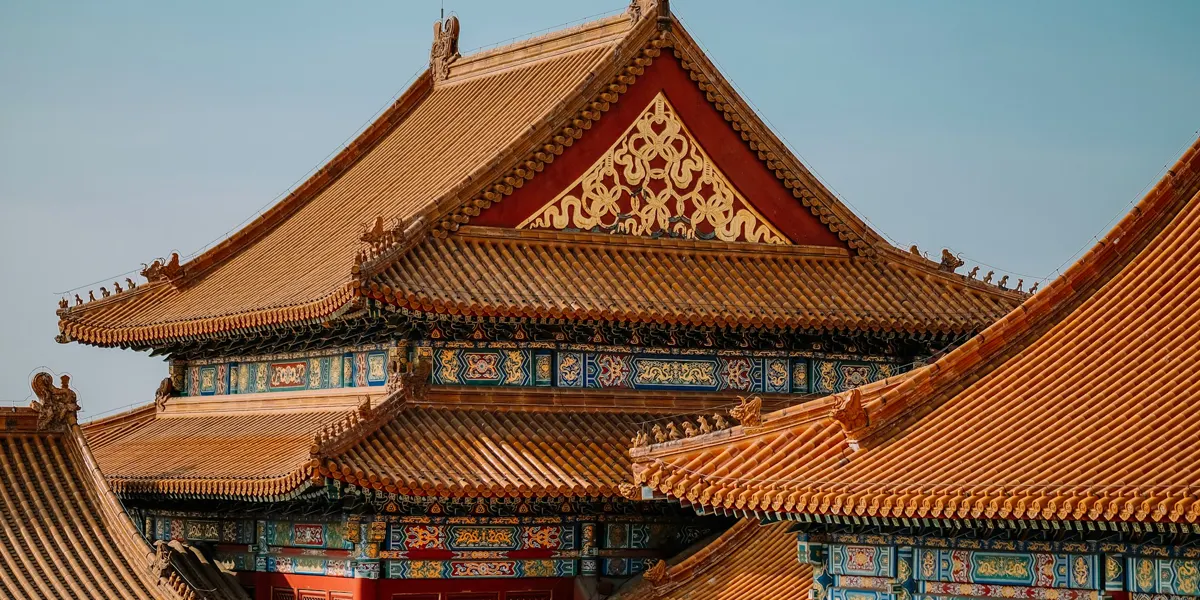
Chinese historical dramas, like 甄嬛传, 延禧攻略 or 琅琊榜, and fantasy dramas, like 陈情令, are hugely popular, but they're among the hardest for Chinese learners: they use formal, semi-classical language, court titles and poetic phrases that are almost useless for talking today. Enjoy them with English subtitles and study with modern dramas.
The most famous ones
| Drama | Year | Genre | Why it's hard |
|---|---|---|---|
| 甄嬛传 Empresses in the Palace | 2011 76 episodes | Palace intrigue (宫斗剧) | Semi-classical dialogue so distinctive that it gave its name to a style: 甄嬛体. |
| 延禧攻略 Story of Yanxi Palace | 2018 70 episodes | Palace intrigue | Titles and forms of address from the Qing dynasty court. |
| 琅琊榜 Nirvana in Fire | 2015 54 episodes | Historical political intrigue | Formal, literary language, with lots of government vocabulary. |
| 长安十二时辰 The Longest Day in Chang'an | 2019 48 episodes | Historical mystery | A very fast-paced thriller plot, set in the Tang dynasty. |
| 三生三世十里桃花 Eternal Love | 2017 58 episodes | Fantasy (仙侠) | Mixes classical, poetic phrases with terms from an invented world. |
| 陈情令 The Untamed | 2019 50 episodes | Fantasy with martial arts | Formal, poetic language, with elements of classical Chinese. |
| 莲花楼 Mysterious Lotus Casebook | 2023 40 episodes | Martial arts (武侠) and mystery | Period and investigation vocabulary. |
Three more hits, with level and where to watch
| Drama | Year | Rough level | Where to watch (depends on country) |
|---|---|---|---|
| 梦华录 A Dream of Splendor | 2022 40 episodes | Upper intermediate | Viki, WeTV |
| 庆余年 Joy of Life | 2019 46 episodes (season 1) | Advanced | Viki |
| 知否知否应是绿肥红瘦 The Story of Minglan | 2018 73 episodes | Advanced | Viki, iQIYI |
The level is an editorial guide, not an official rating. Platforms vary by country and change over time: check yours (for example on JustWatch) before subscribing.
 Test your Chinese
Improve your Chinese with our app, Macalaoshi Flashcards: 1,300+ words and characters to practice like this.
See the appWhy they're so hard
- A semi-classical register. The characters speak halfway between classical and modern Chinese. In China, people even joke about the “Zhen Huan style”: saying in an elaborate way what could be said in one simple sentence.
- Court titles. Each rank has its own way of referring to itself and of being addressed: 本宫 běngōng (“I”, used by the empress or a high-ranking consort; literally “this palace”), 娘娘 niángniang (how people address the empress or a high-ranking consort), 小主 xiǎozhǔ (how servants address a lower-ranking consort) and 臣妾 chénqiè (how a consort refers to herself when speaking to the emperor). It's vocabulary you won't use outside of fiction.
- Poetry and set phrases. Verses, four-character idioms and metaphors are everywhere.
- Invented worlds. Fantasy dramas have techniques, sects and creatures with names unique to each story.
- It isn't even easy for the actors. In a China Daily article about 鹤唳华亭 (Royal Nirvana), actor Wang Yu said the cast received scripts with rarely used characters and found it hard to read those classical Chinese lines.
The genres, so you don't get lost
| Term | What it is |
|---|---|
| 古装剧 gǔzhuāng jù | Historical drama in general, with period costumes (literally “ancient-costume drama”). |
| 宫斗剧 gōngdòu jù | Intrigue among the concubines and officials of an imperial palace (literally “palace-fight drama”). |
| 武侠 wǔxiá | Martial arts and wandering heroes in ancient China (literally “martial hero”). |
| 仙侠 xiānxiá | Fantasy with immortals, gods and magic, inspired by Taoism and mythology (literally “immortal hero”). |
When to watch them
- For fun, whenever you like, with English subtitles. They give you culture, history and the motivation to keep learning.
- For study, once you can easily follow a modern drama with Chinese subtitles. At that point, the formal dialogue teaches you politeness, proverbs and another side of the language.
In the meantime, to learn to speak, start with slice-of-life dramas and move on to dramas for intermediate and advanced learners.
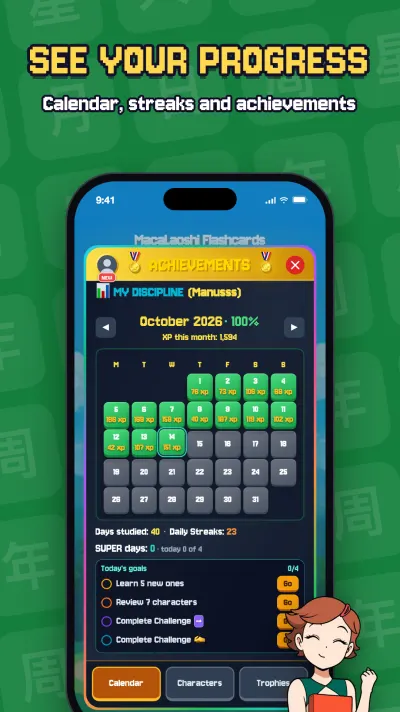
Improve your Chinese with Macalaoshi Flashcards
Maca Laoshi's app for learning characters, with audio, pinyin and stroke-by-stroke writing.
- 1,300+words and characters
- HSK 1–4by level
- Freeto start





Learn with our songs
We made them for Macalaoshi. Singing along is a fun way to practice pronunciation and review vocabulary.

The Lighthouse of My Heart 我心里灯塔

Study With You 跟你一起学
Frequently asked questions
Why are Chinese historical dramas hard to understand?
They use a formal, semi-classical register, with court titles (like 本宫 běngōng or 娘娘 niángniang), poetic phrases and vocabulary that isn't used today. Even the actors don't always find those scripts easy to read.
What's the most famous Chinese historical drama?
One of the best known is 甄嬛传 (Empresses in the Palace, 2011): its elaborate way of speaking was imitated so much that it gave its name to the “Zhen Huan style” (甄嬛体).
What is a xianxia drama?
It's a fantasy drama inspired by mythology and Taoism, with immortals, gods and magical worlds, like 三生三世十里桃花 (Eternal Love). Wuxia, on the other hand, is about martial arts in ancient China.
Can I learn Chinese with historical dramas?
You can learn about the culture and pick up some formal vocabulary, but it's not the best way to learn to speak. Watch them for fun and study with modern dramas.
When should I start watching them to study?
When you can easily follow a modern drama with Chinese subtitles. Before that, they're more frustrating than useful.
Maca Laoshi, born in Beijing, has taught Mandarin Chinese for more than 22 years and has had over 1,500 students. Together with her son Manu Shi, who has more than 93,000 subscribers on YouTube, she created Macalaoshi, an app that challenges you to push yourself one character at a time. Few Chinese teachers can show both: their own app and a channel like that.
Sources
- TVBS (2012): the semi-classical dialogue of 甄嬛传 and the “Zhen Huan style”.
- China Daily (2019): on 鹤唳华亭 (Royal Nirvana), actor Wang Yu and how hard the classical Chinese dialogue was.
- Empresses in the Palace (甄嬛传).
- Nirvana in Fire (琅琊榜, 2015).
- The Untamed (陈情令, 2019).
- A Dream of Splendor (梦华录, 2022).
- Joy of Life (庆余年, 2019).
- The Story of Minglan (知否知否应是绿肥红瘦, 2018).
- Viki: The Story of Minglan, platform page.
This guide in other languages: Español · Português · Français · Deutsch · Italiano · 日本語 · 한국어