Guides › New HSK 2 vocabulary
New HSK 2 vocabulary list: all 200 words with pinyin and meaning
Maca Laoshi, Mandarin Chinese teacher
Updated October 20, 2026 · 8 min read
The new HSK 2 adds 200 words to the 300 of HSK 1: 500 in total. It also adds 125 characters to recognize (371 in total) and it is the first level with writing tasks. This is the syllabus the Center for Language Education and Cooperation published in November 2025, and the new exam starts on December 13, 2026. Below are the 200 words in the official order, with pinyin and meaning.
What HSK 2 adds over HSK 1
| HSK 1 | HSK 2 | |
|---|---|---|
| New words | 300 | 200 |
| Cumulative words | 300 | 500 |
| Characters to recognize | 246 | 125 more (371 in total) |
| Writing tasks | no | yes (list of 100 characters for levels 1 and 2) |
With these words you go from introducing yourself to handling everyday things. The syllabus describes 17 tasks for level 2. Among them: describing someone's looks, clothes and likes; asking for directions and giving them; shopping while comparing prices and colors; saying you're sick and understanding how many times to take a medicine; talking about Chinese New Year; and using forms of address like 张老师 (Teacher Zhang) or 王先生 (Mr. Wang). The writing tasks are short, like filling in a form with your name, age and birthday, or writing 过年好 guònián hǎo (Happy New Year).
The grammar level 2 brings
Many words on the list are grammar pieces. The level 2 grammar syllabus includes, among other things:
- Comparing with 比: 今天比昨天冷 (jīntiān bǐ zuótiān lěng), it's colder today than yesterday.
- Paired sentences: 因为……所以…… (because…, therefore…) and 虽然……但是…… (although…, but…).
- Experience with 过: 我去过中国 (wǒ qùguo Zhōngguó), I've been to China.
- How something is done, with 得: 他跑得很快 (tā pǎo de hěn kuài), he runs very fast.
- Ongoing states, with 着, and prohibitions with 别 (don't…).
- Direction verbs like 出来, 进去 or 下来.
How to study these 200 words
- 10 words a day. In 20 days you finish the list. Review the HSK 1 words too: they combine with the new ones all the time. In 今天比昨天冷, only 比 is from level 2.
- Group them by topic instead of following the order of the list, which is alphabetical by pinyin. Below you have 10 groups to start with.
- Learn the direction verbs in pairs. The list has 出来/出去, 进来/进去, 上来/上去, 下来/下去, 回来/回去 and 过来/过去. There is one rule: 来 means movement toward the speaker, and 去 means movement away.
- Separate the words that are written the same. 花 appears twice: to spend and flower. 过 too: guò is to pass and guo is the experience particle. And 地 is read de as a particle, but dì in 地铁 (subway).
- Start writing. Practice first the 100 characters on the writing list for levels 1 and 2. You already know almost all of them: 95 appear in HSK 1 words, like 我, 你, 学 or 字, and the other five (比, 地, 过, 为, 长) arrive with level 2.
The list uses the pinyin of the official syllabus. It marks the tone change of 一 and 不 in 一起 (yìqǐ), 一会儿 (yíhuìr) and 不错 (búcuò), and it writes the second syllable of verbs like 回来 (huílái) with its full tone, which dictionaries like CC-CEDICT give in the neutral tone (huílai).
HSK 2 words by topic
Ten groups with some words from the list so you can start with what you'll use most. They aren't all 200: complete each group with the ones you find in the full list.
| Topic | Some words |
|---|---|
| Colors | 颜色 color · 白色 white · 黑色 black · 红色 red · 绿色 green |
| Family and people | 爷爷 grandfather (paternal) · 奶奶 grandmother (paternal) · 丈夫 husband · 妻子 wife · 男孩儿 boy · 女孩儿 girl |
| Transport and travel | 机场 airport · 机票 plane ticket · 地铁 subway · 公交车 public bus · 车站 bus stop, station · 打车 take a taxi |
| Places | 饭馆 restaurant · 酒店 hotel · 商场 shopping mall · 药店 pharmacy · 洗手间 bathroom · 教室 classroom |
| Where things are | 左边 left · 右边 right · 旁边 beside · 前面 in front · 后面 behind · 远 far · 近 near |
| Food and drink | 咖啡 coffee · 红茶 black tea · 绿茶 green tea · 奶茶 milk tea / bubble tea · 肉 meat · 鱼 fish |
| Body and health | 身体 body · 头 head · 手 hand · 眼睛 eyes · 疼 hurt / ache · 药 medicine · 累 tired |
| Sports and free time | 运动 sport · 足球 soccer · 篮球 basketball · 游泳 to swim · 跑步 to run · 跳舞 to dance |
| School and exams | 考试 exam · 题 question, problem · 本子 notebook · 笔 pen / pencil · 书包 backpack · 开学 start of school term |
| To connect ideas | 因为 because · 所以 therefore · 虽然 although · 但是 but · 还是 or / better · 可能 possible, maybe |
 Test your Chinese
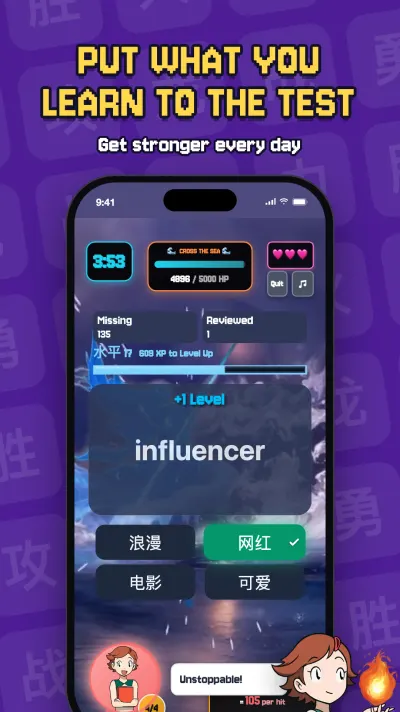
Improve your Chinese with our app, Macalaoshi Flashcards: 1,300+ words and characters to practice like this.
See the appThe full new HSK 2 list
The 200 words in the order of the official syllabus. In the syllabus they're numbered 301 to 500, following the 300 of level 1; here we number them 1 to 200. 花 and 过 appear twice because the syllabus counts each meaning as a different word. If you're missing the base, start with the new HSK 1 vocabulary. You can print this page: when you do, the menus are hidden and only the list is left.
| # | Word | Pinyin | Meaning |
|---|---|---|---|
| 1 | 啊 | a | sentence-final particle |
| 2 | 爱好 | àihào | hobby |
| 3 | 白色 | báisè | white color |
| 4 | 班 | bān | class (group) |
| 5 | 帮 | bāng | to help |
| 6 | 帮忙 | bāngmáng | help |
| 7 | 包 | bāo | bag |
| 8 | 本子 | běnzi | notebook |
| 9 | 比 | bǐ | compared to |
| 10 | 笔 | bǐ | pen / pencil |
| 11 | 别 | bié | don't (imperative) |
| 12 | 不错 | búcuò | not bad / good |
| 13 | 不好意思 | bù hǎoyìsi | sorry / embarrassed |
| 14 | 长 | cháng | long |
| 15 | 车站 | chēzhàn | bus stop / station |
| 16 | 出 | chū | to go out |
| 17 | 出国 | chūguó | go abroad |
| 18 | 出来 | chūlái | come out |
| 19 | 出门 | chūmén | go out |
| 20 | 出去 | chūqù | go out |
| 21 | 床 | chuáng | bed |
| 22 | 词 | cí | word |
| 23 | 次 | cì | times / occurrence |
| 24 | 从 | cóng | from |
| 25 | 从小 | cóngxiǎo | since childhood |
| 26 | 错 | cuò | wrong / mistake |
| 27 | 打 | dǎ | hit / play |
| 28 | 打车 | dǎchē | take a taxi |
| 29 | 打开 | dǎkāi | open |
| 30 | 但 | dàn | but |
| 31 | 但是 | dànshì | but |
| 32 | 得 | de | particle (degree complement) |
| 33 | 地 | de | adverbial particle |
| 34 | 等 | děng | to wait |
| 35 | 地铁 | dìtiě | subway |
| 36 | 点 | diǎn | to order (food) / to mark |
| 37 | 懂 | dǒng | to understand |
| 38 | 动 | dòng | move |
| 39 | 饭馆 | fànguǎn | restaurant |
| 40 | 飞 | fēi | fly |
| 41 | 高 | gāo | tall / high |
| 42 | 高中 | gāozhōng | high school |
| 43 | 告诉 | gàosu | to tell |
| 44 | 个子 | gèzi | height / stature |
| 45 | 跟 | gēn | with |
| 46 | 公交车 | gōngjiāochē | public bus |
| 47 | 过 | guò | to pass / to cross |
| 48 | 过来 | guòlái | come over |
| 49 | 过年 | guònián | to celebrate Chinese New Year |
| 50 | 过去 | guòqù | pass / go past |
| 51 | 过 | guo | particle (experience) |
| 52 | 还是 | háishi | or / better |
| 53 | 黑色 | hēisè | black color |
| 54 | 红茶 | hóngchá | black tea |
| 55 | 红色 | hóngsè | red color |
| 56 | 后面 | hòumiàn | behind |
| 57 | 花 | huā | spend |
| 58 | 花 | huā | flower |
| 59 | 画 | huà | draw |
| 60 | 坏 | huài | bad / broken |
| 61 | 回来 | huílái | come back |
| 62 | 回去 | huíqù | go back |
| 63 | 机场 | jīchǎng | airport |
| 64 | 机票 | jīpiào | plane ticket |
| 65 | 记得 | jìde | remember |
| 66 | 间 | jiān | measure word (rooms) |
| 67 | 教 | jiāo | teach |
| 68 | 教室 | jiàoshì | classroom |
| 69 | 介绍 | jièshào | to introduce |
| 70 | 进 | jìn | to enter |
| 71 | 近 | jìn | near |
| 72 | 进来 | jìnlái | come in |
| 73 | 进去 | jìnqù | go in |
| 74 | 经常 | jīngcháng | often |
| 75 | 酒店 | jiǔdiàn | hotel |
| 76 | 就 | jiù | then / just |
| 77 | 咖啡 | kāfēi | coffee |
| 78 | 开始 | kāishǐ | to start |
| 79 | 开学 | kāixué | start of school term |
| 80 | 考 | kǎo | to test / to take an exam |
| 81 | 考试 | kǎoshì | exam |
| 82 | 可能 | kěnéng | possible / maybe |
| 83 | 裤子 | kùzi | pants |
| 84 | 快 | kuài | fast |
| 85 | 快乐 | kuàilè | happy |
| 86 | 快要 | kuàiyào | about to |
| 87 | 篮球 | lánqiú | basketball |
| 88 | 累 | lèi | tired |
| 89 | 离 | lí | from / away from |
| 90 | 里面 | lǐmiàn | inside |
| 91 | 楼 | lóu | building / floor |
| 92 | 路 | lù | road |
| 93 | 路上 | lùshang | on the way |
| 94 | 旅游 | lǚyóu | travel |
| 95 | 绿茶 | lǜchá | green tea |
| 96 | 绿色 | lǜsè | green color |
| 97 | 慢 | màn | slow |
| 98 | 没意思 | méi yìsi | boring / meaningless |
| 99 | 每 | měi | every |
| 100 | 门 | mén | door |
| 101 | 门口 | ménkǒu | entrance / doorway |
| 102 | 门票 | ménpiào | entrance ticket |
| 103 | 面 | miàn | side (place suffix) |
| 104 | 名 | míng | name / (meas. people) |
| 105 | 拿 | ná | take / hold |
| 106 | 那么 | nàme | then / so |
| 107 | 那样 | nàyàng | that way / like that |
| 108 | 奶茶 | nǎichá | milk tea / bubble tea |
| 109 | 奶奶 | nǎinai | grandmother (paternal) |
| 110 | 男孩儿 | nánháir | boy |
| 111 | 鸟 | niǎo | bird |
| 112 | 女孩儿 | nǚháir | girl |
| 113 | 旁边 | pángbiān | beside |
| 114 | 跑 | pǎo | run |
| 115 | 跑步 | pǎobù | to run |
| 116 | 票 | piào | ticket |
| 117 | 妻子 | qīzi | wife |
| 118 | 起来 | qǐlái | get up |
| 119 | 前面 | qiánmiàn | in front |
| 120 | 晴 | qíng | sunny |
| 121 | 球 | qiú | ball |
| 122 | 让 | ràng | to let / allow |
| 123 | 肉 | ròu | meat |
| 124 | 商场 | shāngchǎng | shopping mall |
| 125 | 上来 | shànglái | come up |
| 126 | 上面 | shàngmiàn | on top |
| 127 | 上去 | shàngqù | go up |
| 128 | 上网 | shàngwǎng | go online |
| 129 | 身体 | shēntǐ | body |
| 130 | 生日 | shēngrì | birthday |
| 131 | 时 | shí | time / moment |
| 132 | 事情 | shìqing | thing / matter |
| 133 | 手 | shǒu | hand |
| 134 | 手表 | shǒubiǎo | watch |
| 135 | 书包 | shūbāo | backpack |
| 136 | 舒服 | shūfu | comfortable |
| 137 | 送 | sòng | to send / to gift |
| 138 | 虽然 | suīrán | although |
| 139 | 所以 | suǒyǐ | therefore |
| 140 | 疼 | téng | hurt / ache |
| 141 | 踢 | tī | kick |
| 142 | 题 | tí | question / problem |
| 143 | 条 | tiáo | measure word (long, thin things) |
| 144 | 跳舞 | tiàowǔ | to dance |
| 145 | 头 | tóu | head |
| 146 | 外国 | wàiguó | foreign country |
| 147 | 外面 | wàimiàn | outside |
| 148 | 完 | wán | to finish |
| 149 | 万 | wàn | ten thousand |
| 150 | 往 | wǎng | towards |
| 151 | 网上 | wǎngshang | online |
| 152 | 忘 | wàng | forget |
| 153 | 位 | wèi | measure word (people, polite) |
| 154 | 为什么 | wèi shénme | why |
| 155 | 希望 | xīwàng | to hope |
| 156 | 洗 | xǐ | to wash |
| 157 | 洗手间 | xǐshǒujiān | bathroom |
| 158 | 下来 | xiàlái | come down |
| 159 | 下面 | xiàmiàn | below |
| 160 | 下去 | xiàqù | go down |
| 161 | 小孩儿 | xiǎoháir | child |
| 162 | 小时候 | xiǎoshíhou | when (one) was young |
| 163 | 笑 | xiào | to laugh / to smile |
| 164 | 姓 | xìng | surname / to be surnamed |
| 165 | 姓名 | xìngmíng | full name |
| 166 | 颜色 | yánsè | color |
| 167 | 眼睛 | yǎnjing | eyes |
| 168 | 药 | yào | medicine |
| 169 | 药店 | yàodiàn | pharmacy |
| 170 | 爷爷 | yéye | grandfather (paternal) |
| 171 | 一会儿 | yíhuìr | a while |
| 172 | 已经 | yǐjīng | already |
| 173 | 一起 | yìqǐ | together |
| 174 | 意思 | yìsi | meaning |
| 175 | 阴 | yīn | cloudy |
| 176 | 因为 | yīnwèi | because |
| 177 | 游 | yóu | swim / travel |
| 178 | 游泳 | yóuyǒng | to swim |
| 179 | 有意思 | yǒu yìsi | interesting |
| 180 | 有时 | yǒushí | sometimes |
| 181 | 右 | yòu | right (side) |
| 182 | 右边 | yòubian | right |
| 183 | 鱼 | yú | fish |
| 184 | 远 | yuǎn | far |
| 185 | 运动 | yùndòng | sport |
| 186 | 站 | zhàn | stop / station |
| 187 | 丈夫 | zhàngfu | husband |
| 188 | 这么 | zhème | so / like this |
| 189 | 这样 | zhèyàng | this way / like this |
| 190 | 着 | zhe | particle (state) |
| 191 | 正 | zhèng | just (at that moment) |
| 192 | 周 | zhōu | week |
| 193 | 准备 | zhǔnbèi | to prepare |
| 194 | 自己 | zìjǐ | oneself |
| 195 | 走 | zǒu | to walk / to leave |
| 196 | 走路 | zǒulù | walk |
| 197 | 足球 | zúqiú | soccer |
| 198 | 最 | zuì | most |
| 199 | 左 | zuǒ | left (side) |
| 200 | 左边 | zuǒbian | left |
And after HSK 2
The official syllabus doesn't detail the duration or the parts of the level 2 exam. To see which level you need to study or work, read what HSK level you need. Level 3 adds 500 more words (1,000 in total). To see how many characters each level asks for, see how many Chinese characters you need to know.
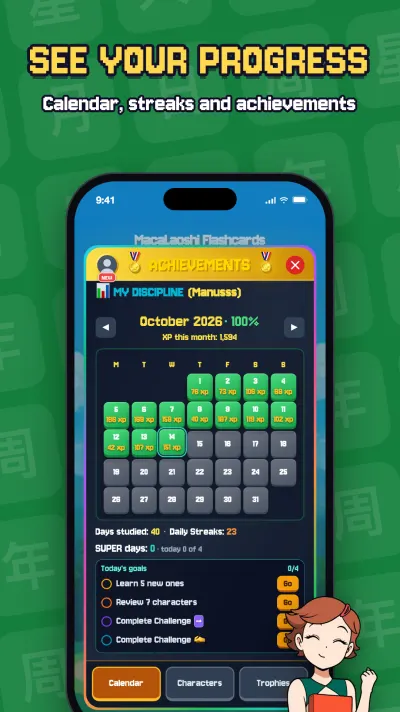
Improve your Chinese with Macalaoshi Flashcards
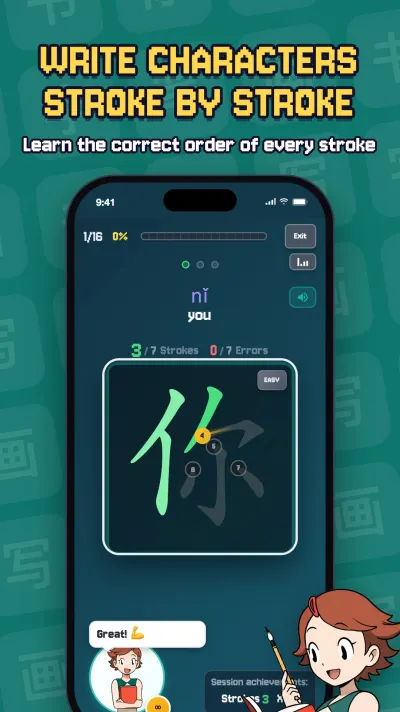
Maca Laoshi's app for learning characters, with audio, pinyin and stroke-by-stroke writing.
- 1,300+words and characters
- HSK 1–4by level
- Freeto start



Learn with our songs
We made them for Macalaoshi. Singing along is a fun way to practice pronunciation and review vocabulary.
The Lighthouse of My Heart 我心里灯塔

Study With You 跟你一起学
Frequently asked questions
How many words are in HSK 2?
In the new HSK syllabus, published in November 2025, level 2 adds 200 new words. With the 300 of level 1, that makes 500 in total.
How many characters do you need to know for HSK 2?
Level 2 adds 125 characters to recognize, which together with the 246 of level 1 make 371. The syllabus also has a list of 100 characters to write for levels 1 and 2.
Do you have to write characters in HSK 2?
Yes. Level 2 is the first in the syllabus with writing tasks, like filling in a form with your name, age and birthday, or writing a greeting such as 过年好 (Happy New Year). The syllabus has a list of 100 characters to write for levels 1 and 2.
How long does it take to learn the HSK 2 vocabulary?
At 10 new words a day, with daily review, that's 20 days of new vocabulary. Add time to review the 300 words of HSK 1, practice listening and start writing.
When does the new HSK start?
The syllabus was published in November 2025 and the new exam starts being offered on December 13, 2026.
Maca Laoshi, born in Beijing, has taught Mandarin Chinese for more than 22 years and has had over 1,500 students. Together with her son Manu Shi, who has more than 93,000 subscribers on YouTube, she created Macalaoshi, an app that challenges you to push yourself one character at a time. Few Chinese teachers can show both: their own app and a channel like that.
Sources
- Center for Language Education and Cooperation (CLEC): syllabus of the new HSK exam (November 2025). Level 2: tasks (pages 6 to 10), word list (pages 84 to 89), characters to recognize (page 355), characters to write for levels 1 and 2 (page 374) and grammar (pages 386 to 388).
- Shanghai Municipal Education Commission: the new HSK starts being offered worldwide on December 13, 2026.
- CC-CEDICT (MDBG): the Chinese-English dictionary used to check the pinyin and meanings of the list.
This guide in other languages: Español · Português · Français · Deutsch · Italiano · 日本語 · 한국어